
Lumbar Microdiscectomy for a Herniated Disc
Medically reviewed by Kevin Yao, MD
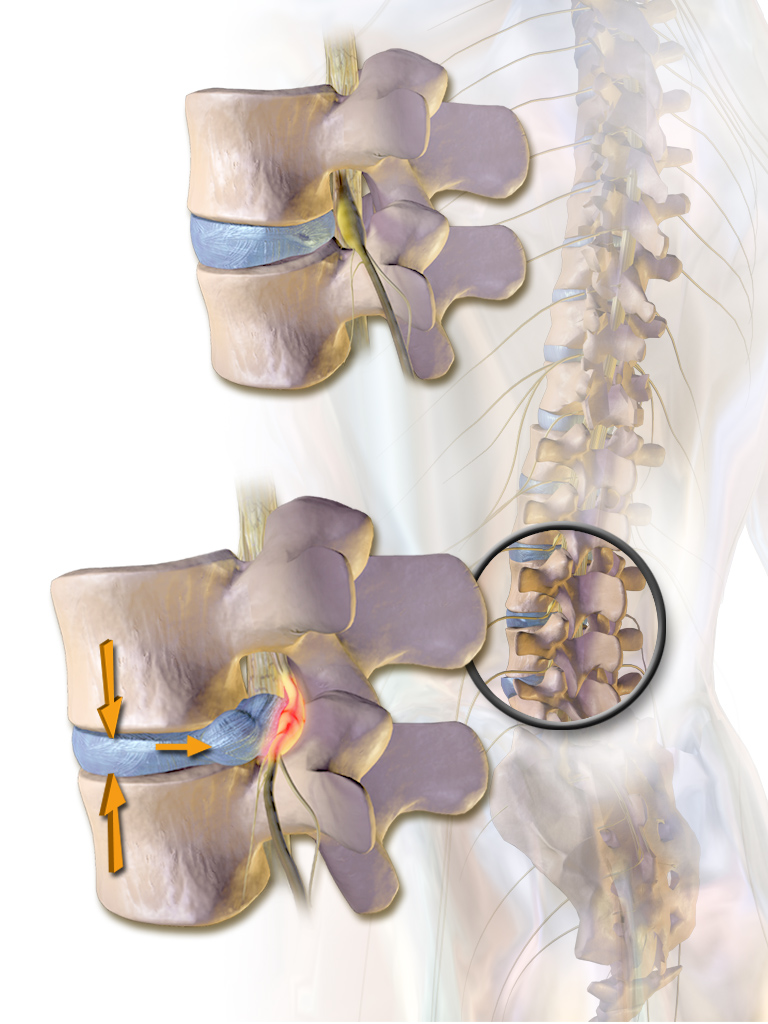
A herniated disc can sound like a frightening diagnosis. But two people with nearly identical wording on their MRI reports can have very different experiences. One has occasional back discomfort. The other has pain that shoots down a leg every time they try to stand.
Lumbar microdiscectomy is an operation that removes disc material pressing on a spinal nerve. It is most often considered when a herniated disc causes persistent or significant nerve-related symptoms. The operation is designed to relieve pressure on the nerve. It doesn’t repair every type of back pain, and plenty of people with herniated discs never need surgery.
Start with where the symptoms travel
A lumbar disc can bulge or rupture and irritate a nearby nerve root. That irritation may produce sciatica: pain running into the buttock or leg, sometimes with tingling, numbness, or weakness. The exact path can help identify which nerve is involved.
An MRI shows the disc and surrounding structures. It cannot tell the whole story of how the problem feels or how it affects function. When considering microdiscectomy, the surgeon asks whether the symptoms, examination, and imaging point to the same nerve. If they don’t, it’s worth understanding why before making a surgical decision.
What microdiscectomy removes
During microdiscectomy, the surgeon approaches the affected nerve through a limited opening and removes the portion of herniated disc that is compressing it. Magnification and specialized instruments help the surgeon work around delicate structures. The remaining disc stays in place.
This is different from replacing a disc or fusing vertebrae. The operation targets a particular source of nerve compression. For patients whose main complaint is nonspecific low-back pain rather than radiating nerve pain, the potential benefit may be less predictable. That distinction should be discussed openly.
When continued nonsurgical treatment makes sense
Many disc herniations improve over time. Activity modification, physical therapy, medications, and selected injections may be used, depending on the patient’s needs. If pain is manageable and neurological function is stable, a clinician may recommend giving those approaches more time.
Surgical evaluation becomes more relevant when leg pain remains debilitating, everyday activities continue to be difficult, or weakness develops despite appropriate care. There is no single timeline that fits every case. Rapidly worsening weakness, new difficulty urinating, loss of bladder or bowel control, or numbness around the saddle area requires emergency assessment, not a routine consultation.
Why the surgeon may mention laminectomy or fusion
These procedures solve different problems. Microdiscectomy removes disc material from around a nerve. Laminectomy creates more room in the spinal canal, often when stenosis is present. Fusion is intended to stabilize a spinal segment when needed.
Sometimes more than one structural problem is present. That can lead to discussion of a broader operation. Ask what each proposed step would accomplish, and whether a narrower procedure would address the symptoms that matter most.
What to expect after surgery
Some patients notice improvement in leg pain relatively soon after the nerve is decompressed. Numbness or weakness that has been present for a long time can take longer to improve, and may not recover completely. Disc material can also herniate again after a successful operation.
Possible complications include infection, bleeding, a spinal fluid leak, nerve injury, persistent symptoms, recurrent disc herniation, and the need for further treatment. Recovery instructions vary by patient and procedure. Your surgical team will guide activity, lifting, bending, rehabilitation, and return to work.
A better MRI review starts with a better symptom history
Bring the actual lumbar MRI images and report. Make note of which leg is affected, where the pain travels, whether you can stand on your toes or heels as usual, and what treatments have helped. Include medications and any prior spine operations.
Dr. Kevin Yao’s Englewood practice evaluates patients with lumbar disc and nerve problems. The aim of a consultation is to decide whether the herniated disc is responsible for the symptoms and, if so, whether surgery offers a reasonable next step.
Questions patients ask
Does microdiscectomy treat back pain or leg pain?
Will hardware be implanted?
Can the disc herniate again?
Does the doctor need to see the images or can I get an opinion with just the MRI report alone?
Next step: connect the scan to the pain
If you already have a lumbar MRI and want to understand whether microdiscectomy is appropriate, request a consultation with Dr. Yao. Bring your imaging and the history behind it. Both matter.
Contact Dr. Yao’s Office · Call (201) 614-1221
Medical information here is educational and is not a substitute for individualized care. Sudden or severe neurological symptoms require urgent medical assessment.
Clinical sources
MedlinePlus: spine surgery discharge