
Cervical Spinal Fusion Surgery in New Jersey
Medically reviewed by Kevin Yao, MD
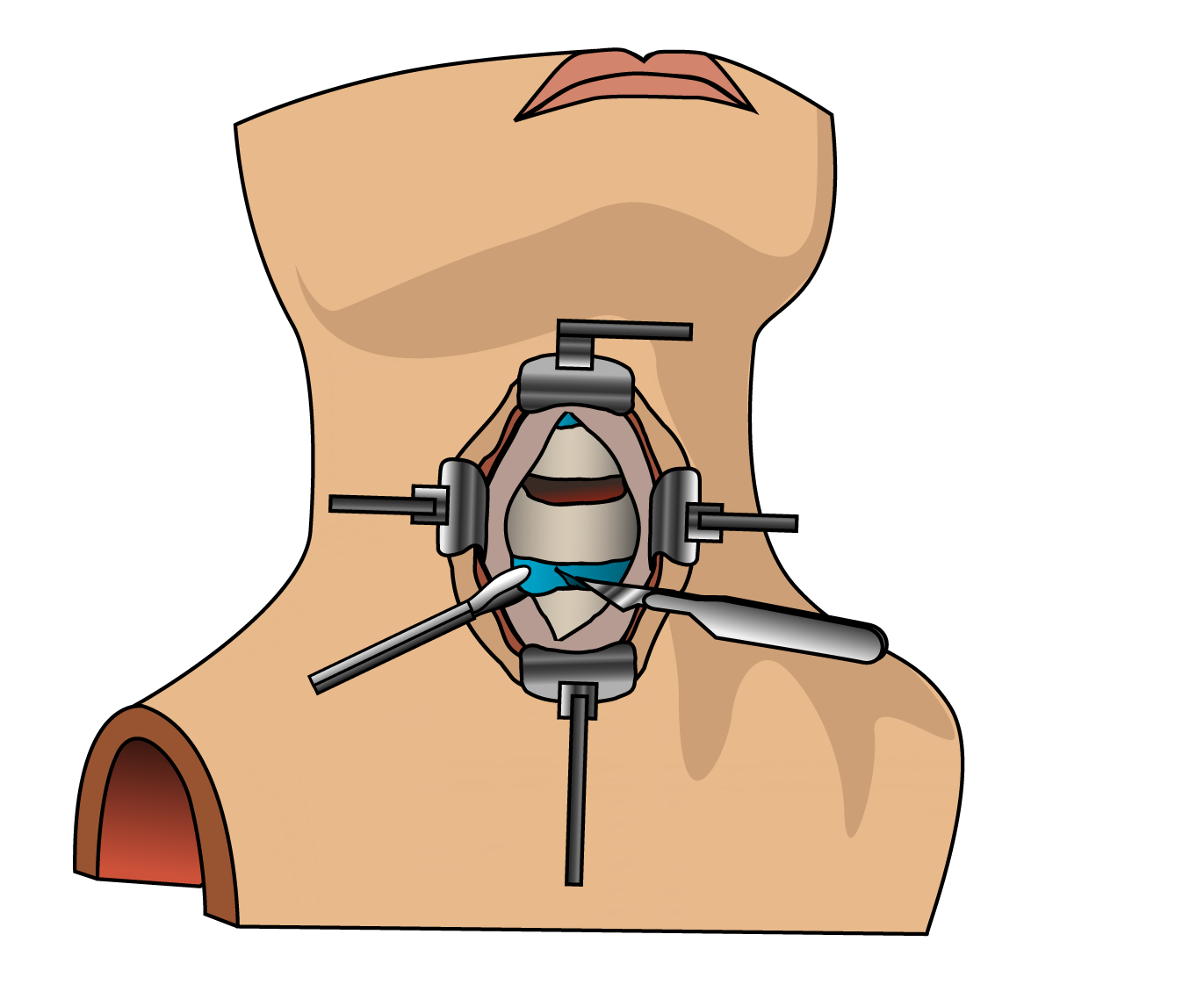
Neck trouble can show up in unexpected places. One person has pain traveling down an arm. Another notices that buttoning a shirt has become awkward or that walking feels less steady. Both may have a problem in the cervical spine. Their treatment decisions can be very different.
Cervical spinal fusion stabilizes one or more levels of the neck, often after a surgeon removes a damaged disc or relieves pressure on neurological structures. It may be considered for selected cases of nerve-root compression, spinal cord compression, or instability. To understand whether fusion makes sense, we first have to identify whether the symptoms indicate an irritated nerve or a spinal cord problem.
A nerve root and the spinal cord are not the same problem
When a disc or bone spur presses on a cervical nerve root, the result may be pain, tingling, numbness, or weakness that follows a path into the shoulder, arm, or hand. This is often called cervical radiculopathy. Some patients improve with time and nonsurgical care.
Pressure on the spinal cord can be more concerning. Symptoms of spinal cord compression in the neck, otherwise known as cervical myelopathy, may affect hand coordination, balance, walking, or strength. Someone might describe dropping objects, having trouble with buttons, or feeling unsteady on stairs. Neck pain isn’t always the dominant complaint. Progressive changes of this kind deserve timely medical evaluation because waiting may allow neurological function to worsen.
What happens during cervical fusion?
One common procedure is anterior cervical discectomy and fusion, or ACDF. Through an approach at the front of the neck, the surgeon removes the affected disc and associated bone spurs compressing a nerve or the spinal cord, then stabilizes the space with a graft or implant. Other conditions call for surgery from the back of the neck or a different method of decompression and stabilization.
Why choose one approach over another? It depends on the location of compression, spinal alignment, how many levels are involved, whether stability is a concern, and your overall health. A useful explanation should connect the recommended operation to your anatomy. The word fusion alone doesn’t tell you enough.
What an MRI can answer—and what it cannot
MRI can show disc problems and pressure on nerves or the spinal cord. Yet a report describing severe degeneration doesn’t automatically identify which symptom comes from which finding. The neurological examination fills in part of that picture. Sometimes additional imaging is needed to understand spinal alignment or instability.
Ask the surgeon to show you the level in question and explain the likely consequence of leaving it untreated. That conversation may sound different for persistent arm pain than it does for worsening spinal cord dysfunction. The distinction matters.
Is fusion the only option?
No. Depending on the condition, treatment may include physical therapy, medication, changes in activity, or careful observation. For some patients with suitable disc anatomy, an artificial cervical disc may be an option instead of fusion. Other patients need decompression but a different stabilization strategy.
Disc replacement isn’t automatically the better choice because it preserves motion, just as fusion isn’t automatically the safer choice because it has a long track record. Spinal stability, arthritis, bone quality, the location of pressure, and the number of involved levels all affect suitability.
Risks and recovery deserve specific answers
After an anterior cervical procedure, swallowing discomfort, voice changes, and neck soreness are among the issues patients may discuss with their surgeon. Other risks include infection, bleeding, nerve or spinal cord injury, failure of fusion, persistent symptoms, and a possible need for further treatment. Individual risk depends on the operation and medical history.
Recovery also comes in stages. You may be able to resume some activities before the fusion is fully healed. Your team will set guidance for lifting, driving, work, rehabilitation, and follow-up imaging based on the procedure performed. Avoid relying on a generic timetable from someone else’s recovery.
Making the consultation useful
Bring your MRI images, report, information about prior treatments, and a short timeline of symptoms. Be specific about weakness, hand coordination, falls, or changes in walking. If another surgeon has recommended an operation, bring the procedure names and the proposed spinal levels.
Dr. Kevin Yao evaluates cervical spine conditions in Englewood, New Jersey. The aim is a clear diagnosis and a treatment recommendation that accounts for neurological function, not a reflexive decision to operate because an MRI looks concerning.
Questions patients ask
Can cervical fusion help arm pain?
Is ACDF the same as cervical fusion?
What symptoms should I take seriously?
Can I choose disc replacement instead?
Next step: understand which structure is at risk
A cervical spine consultation should answer the question that brought you here: which nerve or part of the spinal cord is involved, and what options are available to protect function and relieve symptoms? Request an appointment with Dr. Yao’s Englewood office when you’re ready to review your imaging.
Contact Dr. Yao’s Office · Call (201) 614-1221
Medical information here is educational and is not a substitute for individualized care. Sudden or severe neurological symptoms require urgent medical assessment.
Clinical sources
Englewood Health: spine surgery