
Microvascular Decompression for Trigeminal Neuralgia
Medically reviewed by Kevin Yao, MD
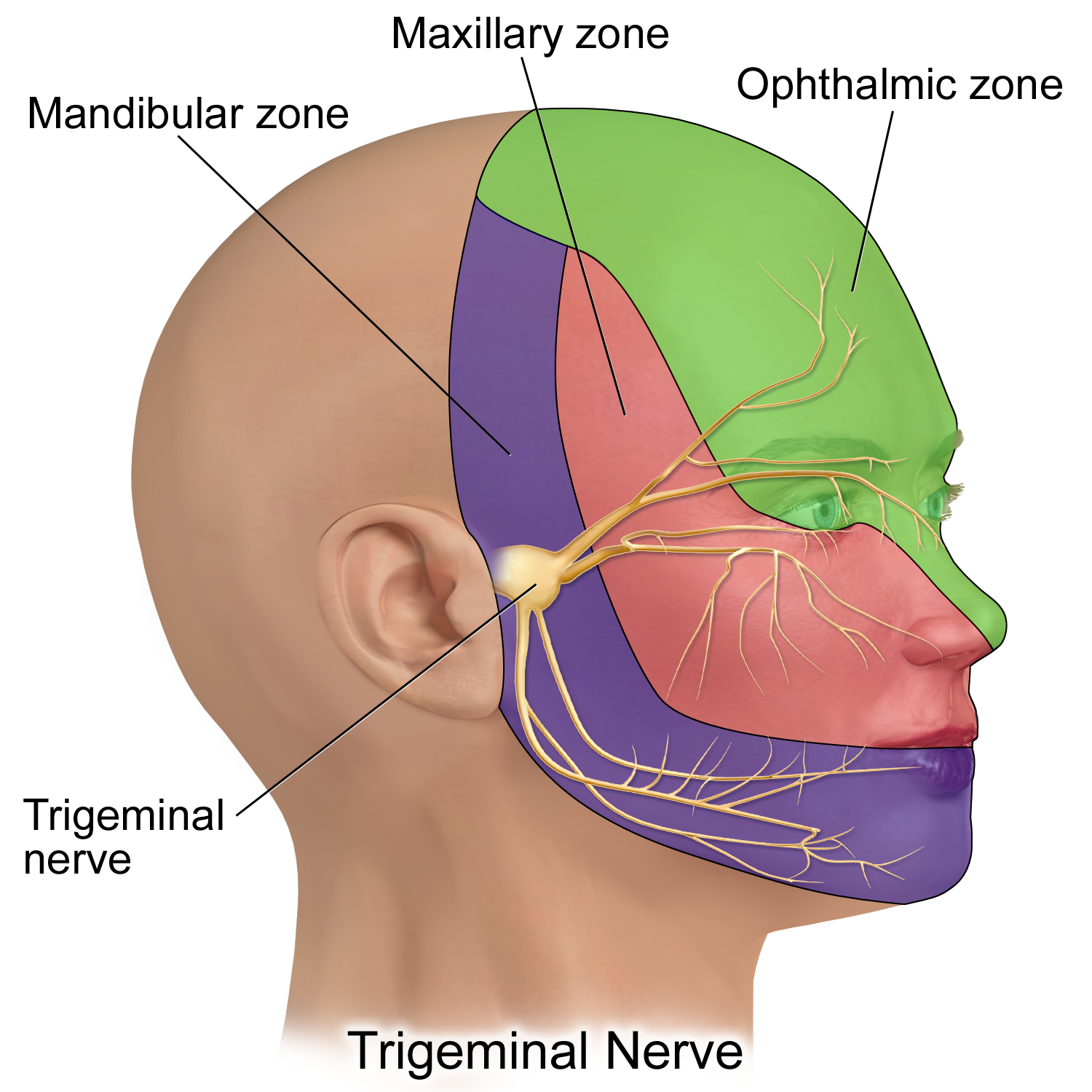
A toothbrush. A bite of food. The lightest touch to the cheek. When trigeminal neuralgia is active, ordinary moments can trigger extraordinary pain. That experience deserves more than a quick label and another round of guesswork.
Microvascular decompression, or MVD, is an operation that separates a blood vessel from the trigeminal nerve when that contact is believed to be causing the pain. It may be considered for selected patients whose trigeminal neuralgia is not adequately controlled by medication or whose treatment causes troublesome side effects. Before discussing surgery, however, the diagnosis has to be right.
Recognizing the pattern—and ruling out look-alikes
Classical trigeminal neuralgia often produces sudden, intense, electric-shock-like pain, usually on one side of the face. It may last seconds to minutes, return in clusters, and be triggered by chewing, speaking, washing, or touching the skin.
Not every facial pain syndrome is trigeminal neuralgia. Dental disease, other nerve disorders, certain headache conditions, and even infections can cause similar complaints. The location, pattern, examination, and medical history help distinguish them. That distinction is crucial: an operation aimed at vascular pressure on the trigeminal nerve may not help pain from a different cause.
What MVD changes
For some patients, a nearby artery or vein presses against the trigeminal nerve close to the brainstem. During MVD, the neurosurgeon reaches that area through an opening behind the ear, identifies the vessel, and moves it away from the nerve. A small piece of material or another technique may be used to maintain separation.
The intention is to relieve the suspected irritation while preserving the nerve’s function. MVD is still brain surgery, with meaningful risks and a period of postoperative recovery. It’s important to understand both sides of that choice rather than focus only on the prospect of pain relief.
Where MRI fits into the decision
MRI can help identify a vessel near the nerve and look for other sources of pain, including a mass or a neurological disorder. But a blood vessel appearing close to a nerve on a scan does not automatically prove that it is responsible for the pain.
The most useful question is whether the symptom history, examination, and imaging tell a consistent story. A surgeon should explain how confident that story is before recommending an operation.
What if medication hasn’t been enough?
Medication is commonly the first treatment for classical trigeminal neuralgia. Some patients obtain good control. Others continue to have debilitating attacks or find the side effects difficult to tolerate. At that point, the discussion may turn to MVD or other procedures that change how the nerve transmits pain.
Those alternatives are not equivalent. Some are less invasive but may carry a greater likelihood of facial numbness or different patterns of recurrence. Age, health, imaging, the type of facial pain, and the patient’s priorities all influence the decision. A useful comparison should explain what each procedure is trying to accomplish, as well as potential effects on function and recovery expectations.
Relief, recurrence, and recovery
Many carefully selected patients experience substantial pain relief after MVD, but relief cannot be guaranteed and symptoms can return. Possible complications include hearing or balance problems, facial sensory changes, infection, cerebrospinal fluid leak, neurological injury, and, rarely, serious vascular complications.
After surgery, the team monitors recovery and provides guidance on activity and medication changes. Even if pain improves quickly, medication should be adjusted only as directed by the treating clinician. Ask what recovery should look like for you, and which symptoms would require prompt attention.
A consultation should begin with your pain history
Bring prior MRI images, a list of medications and side effects, and any relevant dental or medical history. Write down which part of the face is affected, what triggers the attacks, and how long they last. If pain makes eating or speaking difficult, say so. Those details aren’t incidental; they help establish the diagnosis.
Dr. Kevin Yao’s practice in Englewood evaluates trigeminal neuralgia and other neurosurgical conditions. A focused consultation can clarify whether microvascular decompression is a reasonable option or whether another treatment path makes more sense.
Questions patients ask
Is MVD suitable for all facial pain?
Does the operation intentionally numb the face?
Can pain return after MVD?
What if I haven’t had an MRI?
Next step: get the diagnosis clear
If facial pain remains difficult to control and MVD has been suggested, request a consultation with Dr. Yao’s Englewood office. The right surgical decision begins with a careful evaluation of the diagnosis itself.
Contact Dr. Yao’s Office · Call (201) 614-1221
Medical information here is educational and is not a substitute for individualized care. Sudden or severe neurological symptoms require urgent medical assessment.
Clinical sources
Cleveland Clinic: microvascular decompression