Meningioma Surgery: When Treatment Is Considered
Medically reviewed by Kevin Yao, MD
Sometimes a meningioma is found while doctors are looking for something else. You feel well, or nearly well, and then an MRI report introduces a word you’ve never had reason to think about. The natural question is whether it needs to be removed.
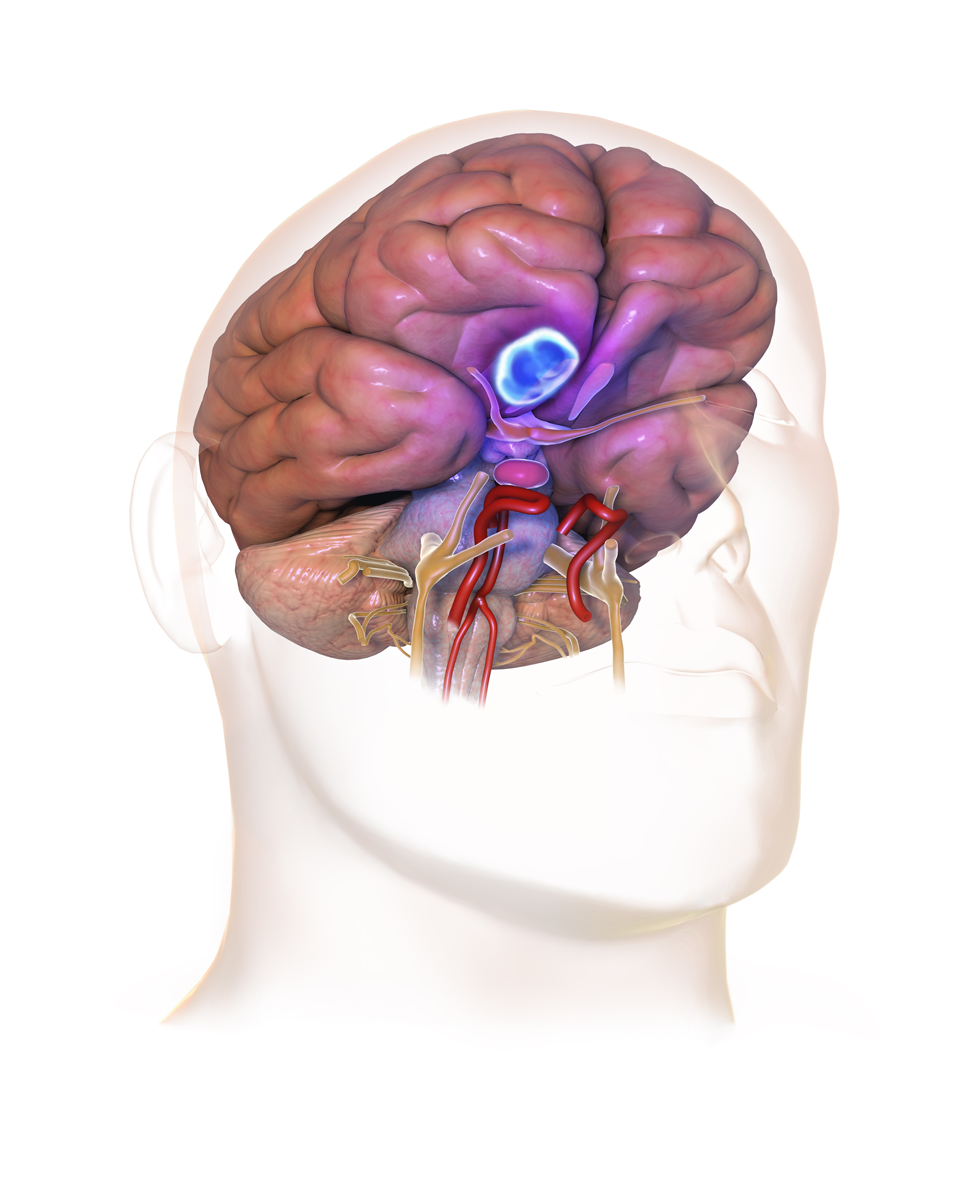
A meningioma is a tumor that develops from the membranes surrounding the brain or spinal cord. Most are low grade and grow slowly, though some behave more aggressively. A diagnosis of meningioma does not mean cancer, and it doesn’t automatically mean surgery. The decision depends on location, size, growth, symptoms, and the risks of treatment.
What the word on the MRI tells you
Meningiomas arise from the meninges, the layers that protect the central nervous system. A tumor can be noncancerous and still cause problems if it presses on brain tissue, a nerve, or a blood vessel. Conversely, a small meningioma in a less sensitive location may cause no symptoms at all.
An MRI often suggests that a mass is a meningioma, but confirmation of this diagnosis is only possible with surgery, which is not always necessary. Grade 1 meningiomas are generally slow growing; whereas higher-grade tumors can demonstrate faster growth and may require a variety of treatments. That distinction is one reason a broad label cannot replace an individualized evaluation.
Watching a tumor is an active medical decision
For a small, asymptomatic meningioma, the most appropriate first step may be monitoring. That means follow-up scans at intervals chosen by the treating clinician, along with attention to neurological symptoms. The plan can change if the lesion grows or begins to affect important structures.
An older MRI can be remarkably useful here. It allows the surgeon to compare images instead of guessing how quickly a tumor may be changing. If monitoring is recommended, ask when the next scan is due, which symptoms should prompt a call, and who will review the results.
When treatment becomes more compelling
Growth on repeated imaging, seizures, weakness, changes in vision or speech, or pressure on important structures may shift the balance toward treatment. Location matters greatly. A tumor near the skull base, cranial nerves, or major blood vessels may require a different strategy from one that is easier to reach.
Surgery isn’t the only possible treatment. Depending on size, location, tumor features, and the patient’s health, radiation-based options may be considered. A thoughtful plan weighs tumor control against the possibility that treatment itself could affect neurological function.
What surgery tries to achieve
Meningioma surgery is planned around the tumor’s attachment, blood supply, and relationship to surrounding nerves and vessels. The surgical goal is often to remove as much tumor as can be removed safely while protecting neurological function.
Complete removal may be possible in some cases. In others, leaving a portion near a critical structure can be the safer choice. Pathology findings and any remaining tumor help determine whether follow-up imaging, radiation treatment, or another approach is recommended afterward.
What recovery may look like
Recovery depends on where the tumor is and how extensive the operation is. Some patients return relatively quickly to their usual activities. Others face rehabilitation, additional treatment, or persistent symptoms. Risks can include infection, bleeding, seizures, weakness, vision or speech changes, cranial nerve injury, spinal fluid leak, and the need for further intervention.
The most useful question isn’t simply, How long is recovery? It’s, Which function could this tumor or this operation affect in my particular case? That leads to a more honest conversation about likely benefits and uncertainties.
Bringing the right information to a second opinion
Bring the current MRI and any prior scans, ideally the images themselves rather than only written reports. Note headaches, seizures, visual changes, balance issues, or other symptoms, even if they seem unrelated. Include medications and records of previous treatments.
Dr. Kevin Yao is a board-certified neurosurgeon in Englewood, New Jersey, with fellowship training and leadership experience in brain tumor care. A focused consultation can help clarify whether observation, surgery, or another treatment belongs in your plan.
Questions patients ask
Do all meningiomas have to be removed?
Can a benign meningioma still be serious?
Can the surgeon always remove the whole tumor?
Why are older MRIs important?
Next step: give the scan context
If you have been diagnosed with a meningioma and want to understand what it means for your next few months or years, request an evaluation with Dr. Yao in Englewood. Bring all available imaging for a meaningful comparison.
Contact Dr. Yao’s Office · Call (201) 614-1221
Medical information here is educational and is not a substitute for individualized care. Sudden or severe neurological symptoms require urgent medical assessment.
Clinical sources
National Cancer Institute: meningioma
NCI: brain tumor treatment options